logo-cropped

Nottingham’s independent bookshop | 14a Long Row, Nottingham NG1 2DH | 0115 8373097

Newsletter: 16 Oct 2026 Book Reviews Spooky Special

Hello Readers,

As the days get shorter and (at least a little) chillier our booksellers are getting in the seasonal mood. In a break from our usual offerings this special newsletter is dedicated to Halloween reads, although we might argue they are also perfect to read cosied up in a blanket as those midwinter holidays approach. We’ve started off with a few children’s books, followed by a big list of mostly-horror, with a couple of non-fiction titles in the mix.

Happy haunted reading,
The Five Leaves team

Spooky Kids
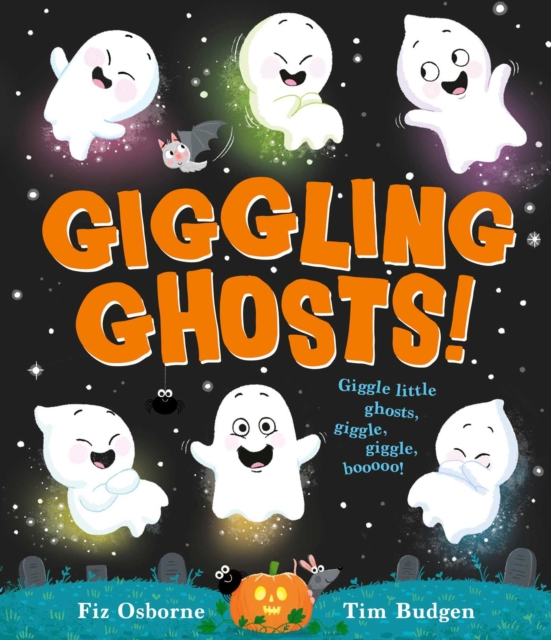
This is probably the least scary Halloweenish children’s picture book you could find. After it goes dark these friendly ghosts go out scaring people, except they would if they didn’t stop giggling as well as going BOOOO! Nice, less-than-terrifying illustrations.
–Ross
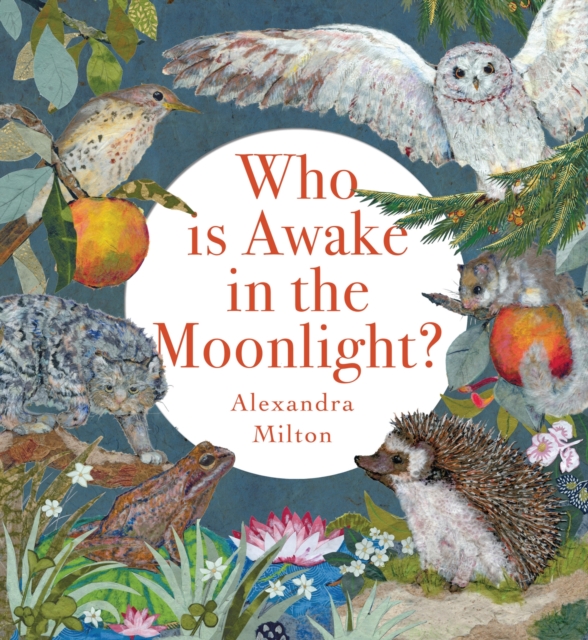
Not Halloween as such, just a nice look at what is out there when the lights go down – owls, songbirds, hedgehogs, frogs, cats… Asks a question about their noises and on the next page, gives an answer and an illustration.
–Ross
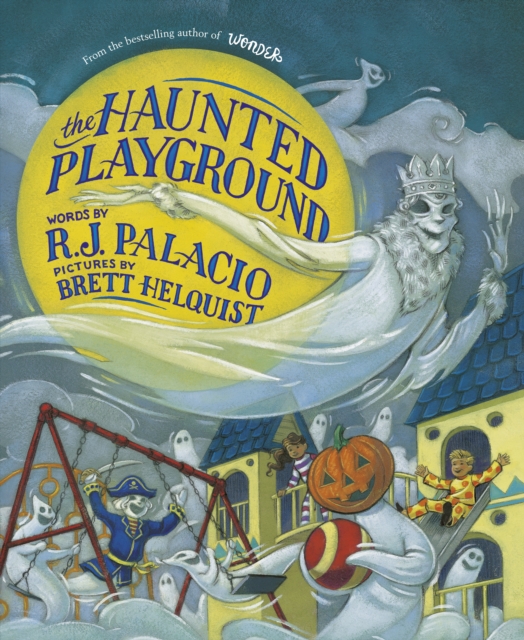
This one is a lot more scary, with seriously scary images of ghosts taking over the playground, having found costumes in the school dress-up box. They are out to have fun and terrify, but as much as they try to frighten, a couple of siblings join what they think is a game, and the monstrous ghouls turn out not to be so frightening after all.
–Ross

Frightful Picks for Adults

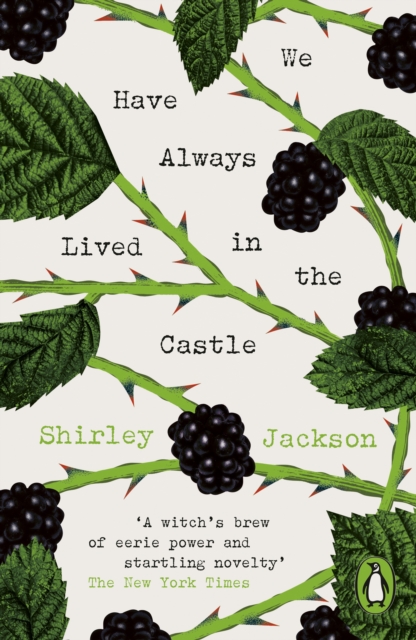
Shirley Jackson is the queen of spooky season. She creates haunting, suffocating worlds in tight prose that is quick to read but takes much longer to shake. I reread We Have Always Lived In The Castle every year or so and it never fails to captivate and horrify me. Merricat is one of the all-time great unreliable narrators. Why are the villagers so cruel? What happened six years ago? Jackson builds tension so well, you’re desperate for it to bubble over, and then it does…
–Sarah
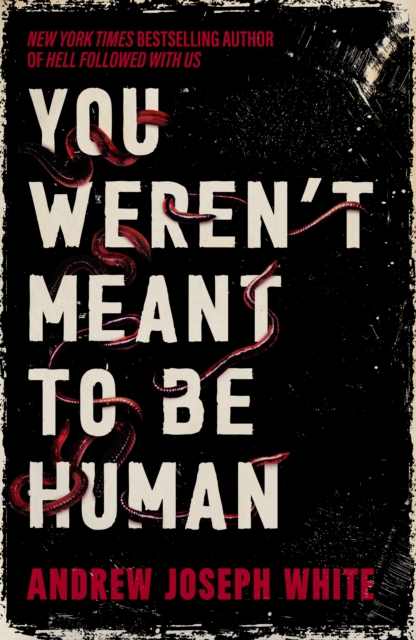
I’m a fan of AJW’s other books, which skew more young adult, but You Weren’t Meant To Be Human is straight up adult horror. This book confronts the horrors of the outside world with its isolation and violence, especially if you’re queer, trans and neurodivergent. Plus there’s a supernatural brood! It’s a dark, reproductive horror that left my skin crawling.
–Sarah
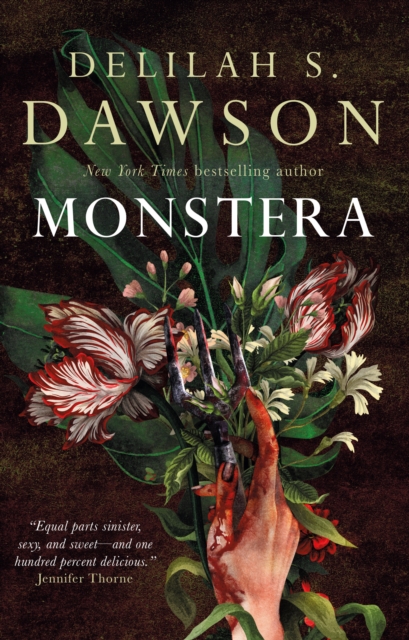
Lucy moves into a new flat and meets her attractive, weightlifting neighbour Saskia. The mystery surrounding their dark, hidden secrets increases the attraction as their romance flourishes as quickly as the delinquent Monstera plant in Saskia’s flat. A quick, fun botanical nightmare read that combines the excitement of new love with horror, gore and humour.
–Giselle
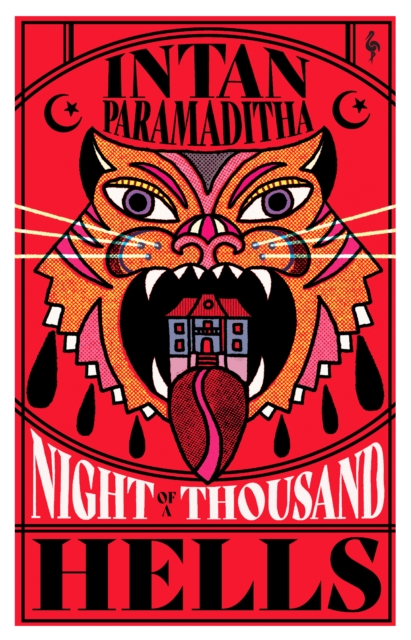
I think this is going to be one of my reads of the year. Translated from the Indonesian, this novel blends myth, mysticism and politics for a propulsive read. How do two sisters carry on after their little sister becomes a suicide bomber? There’s prophecies, the occult, family secrets and wider real world horror. I defy anyone to read the first page of this and be able to put it down.
–Sarah
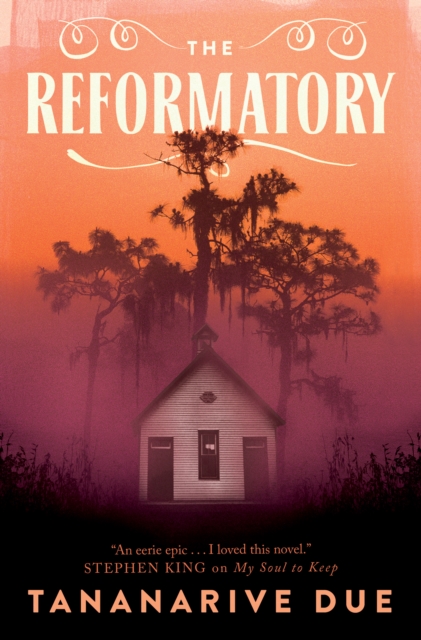
Tananarive Due has become an author I will always pick up a new book by. Mazeywood, her newest release, is next on my tbr. Until that inevitably features in my future recommendations, please accept my rec for The Reformatory. This Bram Stoker award-winner is historic fiction with haints and very human horrors. Our protagonist is sent to a boys’ reformatory school after a sham trial, where he has to try and survive the violence of both present and past racism. Due skillfully weaves historic research of a real boys’ school with a compelling, haunting dual timeline narrative.
–Sarah
The first of two lighthouse-related horrors on my list. This is a tense gothic that has diary entries of a man losing his mind in a lighthouse, a psychiatrist obsessed with Robert Louis Stevenson, experimental treatments, the lasting horrors of war,  and a man who can’t stop swimming on land. I devoured this, needing to know how everything fits together. Perfect reading for dark, rainy evenings.
–Sarah
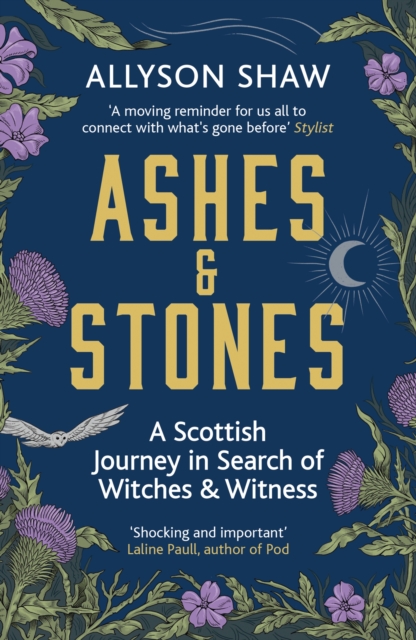
Fiction not your thing? Then you might enjoy this hybrid history-travelogue by modern witch Allyson Shaw as she travels around Scotland in search of stories about the women persecuted for witchcraft in the medieval and early modern periods. While its nice to think of our horror-fantasy witches at this time of year it’s also a good time to look back at what this word meant in the past, and it’s relationship (or lack thereof) to modern witchcraft. Shaw walks a delicate line of identifying her modern witchcraft practice with the marginalised women for whom that word meant danger, and often death. What kept me reading though, was the evocative descriptions of the Scottish landscape and how that plays into her intuitive interaction with nature and place.
–Kate
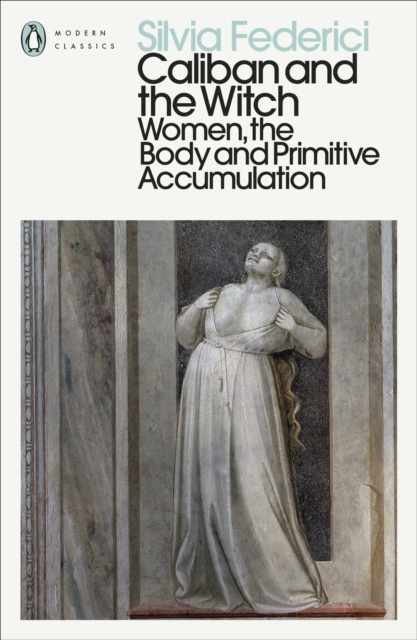
A book for anyone who’s ever longed for some sort of rational explanation for the centuries for four centuries of witch trials, and/or anyone looking to learn how, for a brief and hopeful window of time, early Medieval Europe run on socialism
–Cosy
Last year one of our favourite witchy zine makers took their first step into fiction publishing with this anthology of weird tales by contemporary British authors.  It had me hooked from the start with an evocative tale of the –always horrifying in my mind– Suffolk coast that would make the ghost of M. R. James proud. The stories are all deeply rooted in place, and are accompanied by a piece of atmospheric original art. There are also notes on each location at the back of the book, just in case you fancy a field trip looking for horrors this Halloween.
–Kate
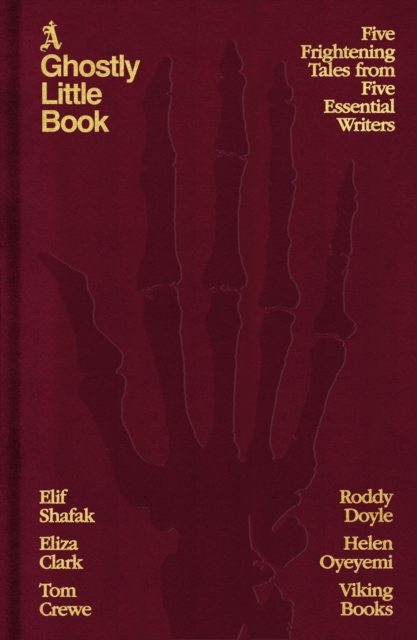
This is a gorgeous, cloth-bound anthology, with a skeletal hand on the front and some of my favourite writers inside. Eliza Clark, Tom Crewe, Roddy Doyle, Helen Oyeyemi, and Olga Ravn provide a wide selection of short scares. Why not read a story out loud, by the fire, each night?
–Sarah
Revolution in the Heart: Stories Inspired by Ursula K. Le Guin edited by Jonathan Strahan (Titan £22)*
Although not exclusively a horror anthology, award-winning editor Jonathan Strahan asked fifteen of the most celebrated writers working in science fiction and fantasy today to create new and urgent works inspired by Le Guin’s work and words. Dealing as they do with alternatives to “our fear-stricken society and its obsessive technologies”, several of the stories are about the horror involved in making difficult choices, including outstanding stories by Kelly Link and Karen Jay Fowler , ‘The Monster’s Story’ and ‘Blaumont’ respectively.
–Giselle
*not available for web orders at time of sending, email us to order a copy
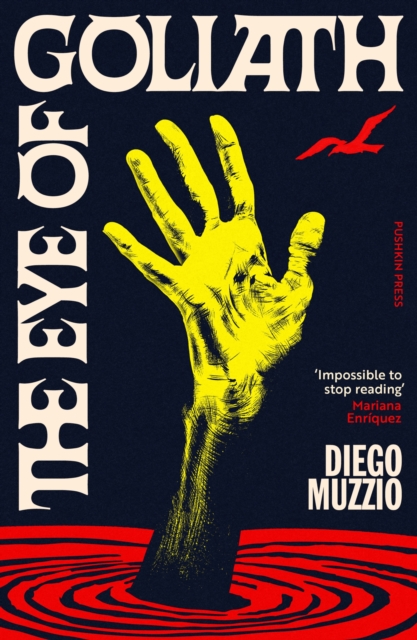
I listened to this one on libro.fm this month. I felt immediately tense listening to the opening scenes of the horrors of the sea and the solitary defense of a lighthouse. This book has it all: a Leviathan, sea wraiths, an island cult, a wrathful man-made-god and a good dollop of misogyny too. Cooper made me scared, angry and totally invested in the outcome of an island. Lighthouses are so cool and spooky!
–Sarah


Newsletter: 16 Sept 2026 News and Book Reviews

Hello Readers,

This newsletter concentrates on what some of us here are reading, and what we are publishing. Our events – as always – are listed on our website, and there’s plenty of them. Many sell out…as we go to press our talk by Owen Jones over at Himmah has just been booked out.

Publishing then…

We have reprinted our Leaves of Southwell in paperback. This was a facsimile hardback of the 1945 edition, text by Nikolaus Pevsner and photographs by FL Attenborough (yes, father of…) with a new introduction by Gillian Darley. We should perhaps have continued to print the hardback as it was a nice chunky edition (mea culpa) but at least it’s out again! Winter in the Bookshop by Sylvia Riley has also been reprinted – our memoir of “poverty and politics” in the old St Anns, based round the second hand bookshop there, which was also the world headquarters of a Trotskyist movement. All life was in St Anns in the 60s. We have a new edition of Colin Wilson’s autobiographical novel Adrift in Soho. The title will do for a precis of the story, but for this edition Colin Stanley has written a new introduction.

Our recent Caribbean Pioneer Gardeners about the Windrush generation allotment-holders on Hungerhill Gardens, St Anns, is about to go into reprint after only a few weeks. We have 29 copies left, which will not be enough for the exhibition and event at Beeston Library… see our events pages. Thanks to all who have promoted this book, especially Kemet Radio, the local Black and Caribbean station.

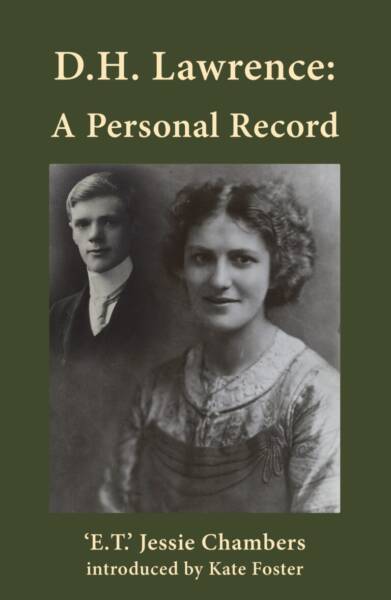
And then it’s our sixth, seventh and eighth book on D.H. Lawrence and his circle. D.H. Lawrence and the Gypsies has been mentioned before but we’ve only just done a talk on the book, at the D.H. Lawrence Birthplace Museum, which was full. Last Friday the author, John Pateman, ran a guided walk for his latest, D.H. Lawrence in Nottingham, which is out now. That walk ended with afternoon tea in the sunshine in our alleyway. We’ll run it again down the line. Finally, we have a new edition of Jessie Chambers’ memoir D.H. Lawrence: a personal record, with a new introduction by Kate Foster. Kate has done a lot to keep the memory of Jessie Chambers and Haggs Farm alive as an important part of the Lawrence story. To be launched in Eastwood, then later sometime here.
Poetry

We’re currently revamping our poetry section, having discovered we have so many books unsold for two, three, four or even five years. The good news is that our in-store sale of these books at between 25-75% has resulted in a lot of poetry books being sold. The sale continues (in-store only) until September 20.

If you want to talk about poetry, we recommend our friends at Nottingham Stanza – they are now meeting at the central library where they are already picking up new members.

What We’re Reading: Non-Fiction

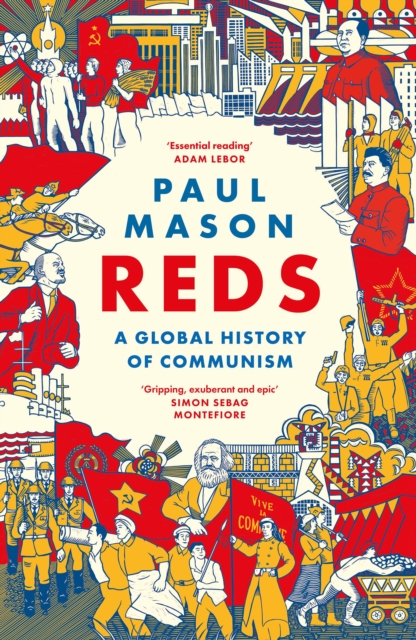
Reds: A Global History of communism by Paul Mason (Bloomsbury £30)
A brick of book, which manages to be too big and too small at the same time. It’s a narrative history, starting with utopian thinkers and ending up with the current market communism of China. He races along, concentrating on the most important bits – the Russian Revolution, Stalin, Spanish Civil War, Mao, the hereditary communist kingship of North Korea, Prague Spring, it’s all there. Too big because it tries to do the impossible cramming everything in, yet too small as every story is only partly told. The Holodomor, for example, the mass famine in Ukraine gets two pages. Specialists will know this stuff. People who want a quick guide but who have done some weight-lifting will be happier.

–Ross
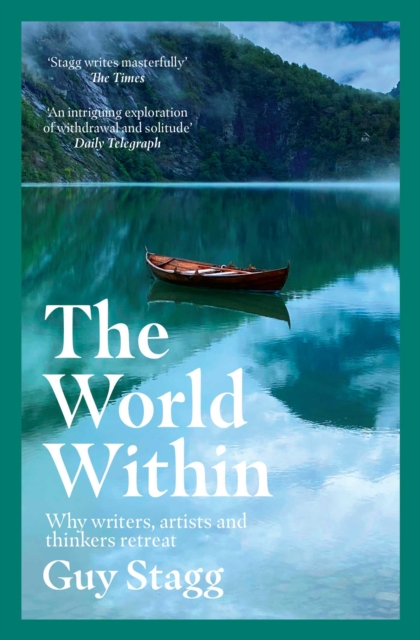
The World Within by Guy Stagg (Scribner £10.99)
Guy Stagg takes a journey through the lives and minds of three of the last century’s most fascinating thinkers, the philosopher Ludwig Wittgenstein, the poet and painter David Jones, and the writer, philosopher and ‘secular saint’, Simone Weil. They all had one thing in common, the need to retreat and withdraw.
Blending history, travel and biography, of himself as much as his subjects, it is also a literary pilgrimage of sorts, through a wandering, circuitous route, without a fixed destination. Both relaxing and meditative. Also a gentle call to ‘action’ and resistance through rest and inactivity. Not so much throwing yourself on the gears of the modern world, more ignoring them altogether and letting them rust.

–Carl
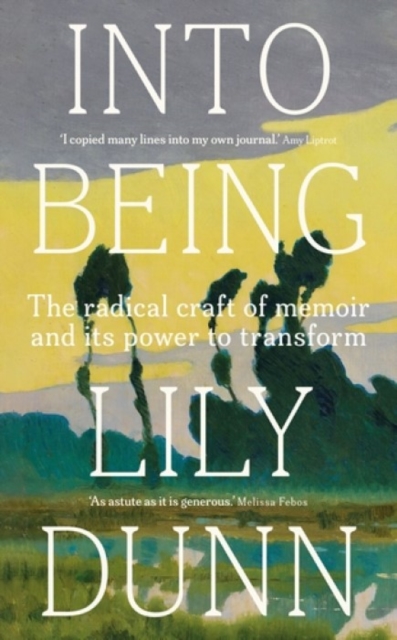
Into Being: The radical craft of memoir and its power to transform by Lily Dunn (Manchester University Press £10.99)
I’m writing a memoir at the moment and have read a lot of how to books. This was my favourite and the one that got me unstuck when I was unsure how to proceed. Insightful and practical, it dives deep into why we write memoirs, how the writing changes us, and how to craft them, with lots of memoir examples and extracts from author conversations. Highly recommended.

–Giselle
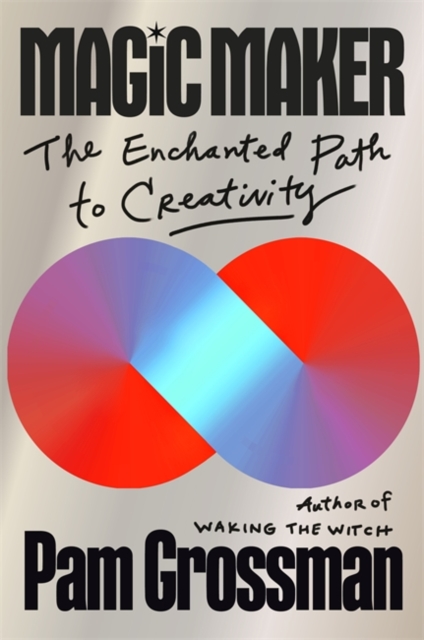
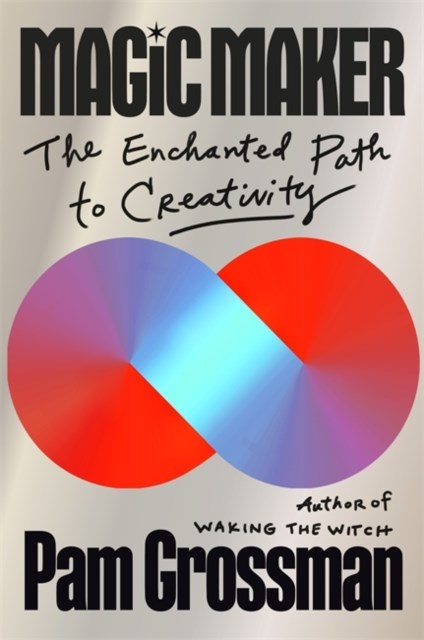
Magic Maker: The Enchanted Path to Creativity by Pam Grossman (Hay House £16.99)
There are two main strands in this book: one looks at the creative and (in varying ways) magical practices of a wide range of culture makers including the likes of David Bowie, Sylvia Plath, Hilma af Klint, William Blake, and Beyoncé. The other is a practical guide to using magical techniques to unlock the reader’s personal creativity, whatever it is they’re creating, from music and visual art to writing and scientific innovation.
The book is at once funny and light hearted – not taking itself too seriously, but also a powerful guide to getting on with turning our creative fantasies into real things, and launching them out into the world.

–Kate
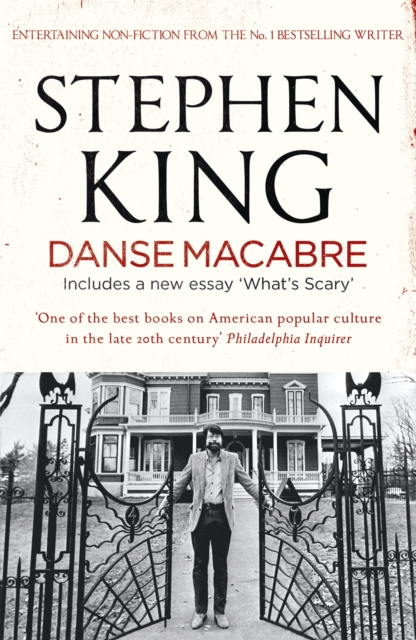
Danse Macabre by Stephen King (Hodder & Stoughton £13.99)
I’m excited to see this book in the shop. An absolute must-read classic by the master of horror, Stephen King. A mixture of autobiography and observation on horror in popular culture it spans books, movies, radio and TV in King’s wonderfully relaxed style, including commentary on his own novels. It will keep you reading as much as his novels do. Originally published in 1981, this version includes a new essay called ‘What’s Scary’. What’s not to like?

–Giselle

What We’re Reading: Fiction

My Dreadful Body by Egana Djabbarova, translated from the Russian by Lisa C. Hayden (Linden Editions £12.99)*
A brick of book, which manages to be too big and too small at the same time. It’s a narrative history, starting with utopian thinkers and ending up with the current market communism of China. He races along, concentrating on the most important bits – the Russian Revolution, Stalin, Spanish Civil War, Mao, the hereditary communist kingship of North Korea, Prague Spring, it’s all there. Too big because it tries to do the impossible cramming everything in, yet too small as every story is only partly told. The Holodomor, for example, the mass famine in Ukraine gets two pages. Specialists will know this stuff. People who want a quick guide but who have done some weight-lifting will be happier.

–Sarah
*not available for web orders at time of posting, email us to order a copy
Convenience Store Woman by Sayaka Murata (Granta £9.99)
Keiko, a 36-year-old woman who has worked in a convenience store for most of her adult life, finds comfort in the store’s routines and rules, but society views her as abnormal because she is unmarried, childless, and working a part-time job. In a short novel that I found sharp, funny, and quietly unsettling, Murata questions what is considered a “normal” life. Through the microcosm of the store, modern capitalism outside, plus the dichotomy of tradition and modernity in Japanese culture is critiqued with a razor sharp efficiency.

–Carl
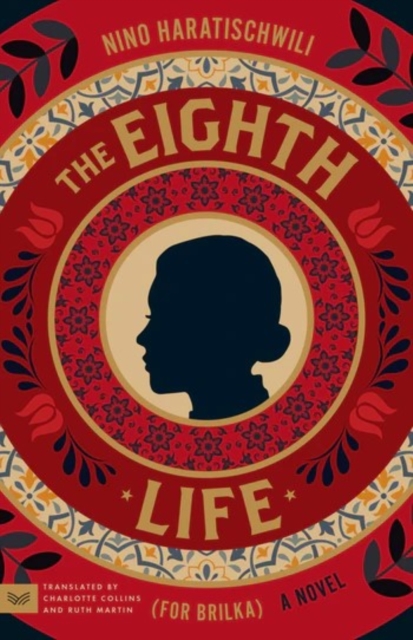
 The Eighth Life by Nino Haratischwili, translated from the Georgian by Charlotte Collins and Ruth Martin (HarperCollins £20)
August was ‘Women in Translation’ month, a favourite focus of mine. This book, which is just shy of 1,000 pages, took up a lot of my month, but I was very happy to spend that long in this sprawling family history. Haratischwili introduces us to a century of Georgian women living through tsarist Russia through to today. We move with them through their highs and lows, through huge political changes, brutal situations and family schisms. Don’t be intimidated by its size, embrace a big book!

–Sarah
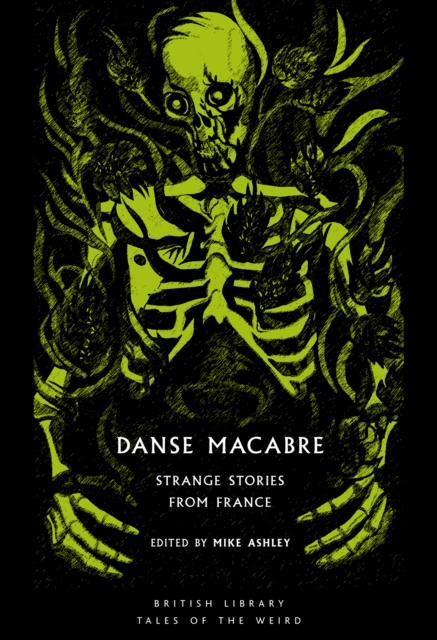
 Danse Macabre: Strange Stories from France edited by Mike Ashley (British Library £10.99 )
In an unlikely coincidence, I’ll recommend you a second book called Danse Macabre. This is the latest from the wonderful British Library Tales of the Weird series. Almost as interesting as the chilling short stories are the short author biographies preceding each chapter, showing how writers of horror rubbed elbows with philosophers and other literary greats in the salons of Paris in the 18th and 19th centuries. I particularly loved Judith Gautier’s ‘The Serpent Flower,’ a story of botanical horror where a mysterious and lethal plant enacts the revenge of a long-dead, jilted lover. Perfect for reading before bed… if you want nightmares.

–Kate
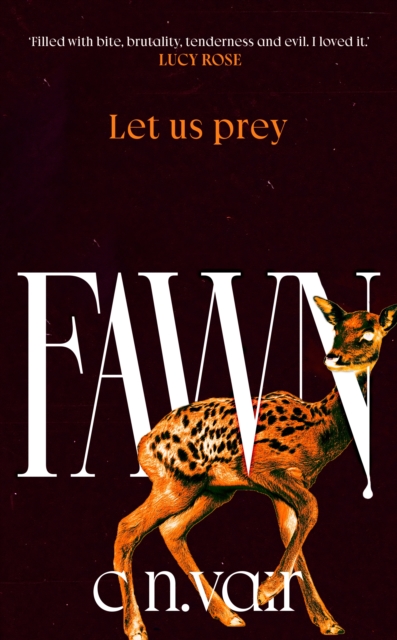
Fawn by C. N Vair (3AM Books £20)
The first signs of rain and evenings closing in has me reaching for horror to snuggle up with. This is an atmospheric pastoral gothic and was the perfect ease into spooky season. Our protagonist runs a wildlife sanctuary and is called to rescue a fawn that there is something unnatural about. There’s a fight for land, a zealous pastor, witchcraft, greed and the devil himself. I really enjoyed the way Vair created a sense of quiet dread throughout this. The claustrophobia of small town politics, fickle friends and fighting for what you’ve built.

–Sarah


Karen Stevens and Jonathan Taylor (ed) Creative Writing and the Critical Commentary: Reflection, Influence, Process (Bloomsbury) £21.99

Anyone studying creative writing at undergraduate or post-graduate level is almost certainly required to write a critical commentary to accompany each piece of creative work they submit. The first time I was asked to provide one, whilst studying for an MA, I wrote a lot about the work of writers who had influenced me but hardly anything about my own output so I was (quite rightly) criticised. If I had read Creative Writing and the Critical Commentary first, I think I would have done better. There were no published anthologies of critical commentaries then, but editors Karen Stevens and Jonathan Taylor have produced a book that, in their words, ‘aims to address that strange pedagogical gap’. This book will, I am sure, soon be on the reading list for most Creative Writing courses in the UK and beyond.

Stevens and Taylor suggest that the world of creative writing is a mirror-world. ‘You learn to write – or learn to write better – by reflecting on your own work and the work of others. The mirror-world reflects both yourself and your (literary) surroundings, and you learn by studying those reflections, by staring into the mirror.’ I like this image of a writer staring obsessively into a mirror, rather like Snow White’s stepmother. I’m not suggesting writers are evil or vain, but we can be insecure and we need to be willing to look at ourselves (or at least our work) carefully, paying close attention to small details.

Part one, which consists of the first three chapters, jointly written by the editors, acts as a thought-provoking and useful introduction to the main part of the book. For those in the early stages of their writing career, particularly if they are following a formal course at university or college, there are useful lists of what might be included in a critical commentary, with questions to consider.
Part Two provides the twelve sample critical commentaries and it is this section that gives legitimacy to the editors claim that ‘there seem to be no other books like this one’. The contributing writers ‘have experience as both published authors and educators in higher education,’ and ‘encompass, in both spheres, all the major forms of writing (prose fiction, creative non-fiction, script writing, poetry and new media)’.
Each chapter ends with ‘works cited,’ an extensive and eclectic list for further reading.

I wondered if it would be frustrating to read the commentary without first having access to the creative work, and there were times when it was. Ideally, I would have liked to have read Steven’s short story ‘Among the Crows’ before I read her discussion around it, but, like all the contributors, she provides quotes from the original work and information about the content. As I worked my way through the chapters, (Stevens’ commentary was the first) I decided that these essays worked perfectly well as discrete pieces. I found that I was applying what I was reading to, and finding inspiration for, my own practice. As a poet I was especially interested in Shaindel Beers’ essay, ‘Nature and Chance as Poetic Influence’ and Lily Matsumoto’s, ‘Experimental Poetic Autography: Writing the Languaged Self’, but every chapter offered useful insights. I particularly enjoyed David Swann’s ‘commentary-in-flash’ about his novella-in-flash, Season of Bright Sorrow. Kit de Waal also writes about flash fiction, comparing it to parables from the Bible, ‘both forms invite readers to engage deeply with the subtext, relying on suggestion and resonance rather than explicit explanation.’ Dan Powell’s contribution, entitled, ‘The End Is Never Where You Think’ introduced me to Preclosure Theory. His chapter included the final two paragraphs of his short story, ‘Not the Fall’ and I am eager to read it in its entirety and interested to see how that reading is affected by my prior reading of the commentary.

Anyone who believes that there is a formula for writing a critical commentary will, on reading this book, find that they are mistaken. The twelve essays are all very different in style and tone. What they do have in common is the writers willingness to share openly about their own work and there is something generous about this. These are, in effect, masterclasses. Without doubt the book will be extremely useful to those tasked with writing critical commentaries, but it has much to offer all writers and indeed to many readers.

Stevens and Taylor make a bold claim for critical commentary: If approached with the same thoughtfulness as the creative work, they are not only profoundly helpful to an author, they might also stand as works of art in themselves. This book provides the evidence to support that claim.

Julie Gardner

This review first appeared in Everybody’s Reviewing

Newsletter: 15 July 2026 News and Book Reviews

Recent events and the summer 

Our events programme gets a little quieter in the summer, though we have just arranged to bring Samira Ahmed (the BBC Front Row presenter) to bring a bit of Beatle-mania to the shop on August 11th with an illustrated talk on the film of A Hard Days Night. Our book groups continue over the summer, and in the next few weeks we have the launch of one of our own Five Leaves New Poetry pamphlets by Diana Bosworth, the launch of our book Caribbean Pioneer Gardeners: Hungerhill Gardens, St. Ann’s Allotments, Nottingham by Colin Haynes and a talk by our own Sarah Wilson on Homer’s Odyssey. Wait, that’s supposed to be us being quieter… And then it’s September and we have a course on writing horror. Find all of these, as ever, on our website.

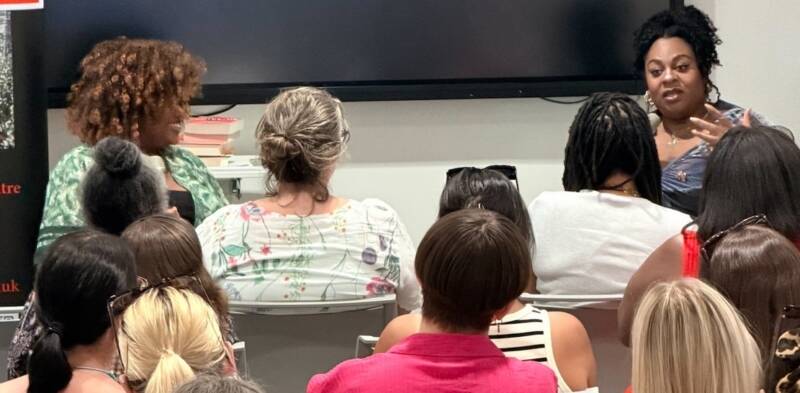
Of the recent events, two of the most memorable were a talk by Aidan Everett on the Latin poet Horace with Aidan’s translations of Horace’s odes and original poetic responses to them. By contrast, last week we welcomed Candice Carty-Williams of Queenie fame being in conversation with Cara Thompson about her new novel featuring the life of a now more mature but still young Black woman.

New From Five Leaves Publishing

Our long-term D.H. Lawrence project is starting to build a bit more of a Lawrence presence in the city. The sixth of our Lawrence-related books is in preparation for September. This one is a pamphlet on Lawrence and Nottingham itself, by John Pateman, looking at the various places Lawrence studied, worked or wrote about in the city. There’s a bookable Lawrence walk in the city centre in September, which follows our Mapperley Lawrence walk which was fully booked. Our biggest publishing contribution though is just being proof-read, a modern version of D.H. Lawrence: a personal memoir by ‘E.T.’, Jessie Chambers, with a new introduction by Kate Foster from the Haggs Farm Preservation Society. That one should come out in October.
       Guy Cuthbertson came to the shop recently to talk about his Lady C, a biography of the book Lady Chatterley’s Lover but of course we keep in contact with Eastwood and John Pateman’s D.H. Lawrence and the Gypsies is being launched at Eastwood Library as part of the D. H. Lawrence Festival.

Tony Challis

Tony Challis died on Saturday, and over the weekend masses of people in the local literature scene posted material on social media. They outlined how they knew Tony, from Nottingham Poetry Society, from Pink Ink, from Nottingham Writers Studio, from Silver Pride, from Stanza, from Edinburgh Festival, from Nottingham Humanists… If you didn’t know Tony but go to literature events, gay events or theatre you probably sat next to him. There are few people around who had such a big cultural life and his diary was full. We were proud to publish his Five Leaves New Poetry pamphlet Rainbow Candles last year. Tony was one of our most regular customers and a regular at events here.
       But mostly those posting mentioned that he was a really nice bloke, helpful to others and supportive of their writing. We’ll miss him.

Radical Bookselling

Radical Bookselling History is a twice-yearly online journal whose content does not stray far from that suggested by the title. The new edition is 77 pages! The main article is about radical bookshops in France from the 30s onwards. There’s also an in depth article about the LAMP bookshop in Leigh, a special feature on the radical publisher Merlin and book reviews about feminist bookstores in the USA and letterpress anarchist publishing. The various other bits and bobs includes obituaries (sigh).  You can read and download the current and past issues of RBH here: radicalbookhistory.org.uk.
What We’re Reading

Many young Jews, particularly in North America, have been exploring “the road not taken” as their Jewish ethics conflict with the Israeli genocide in Gaza. There have been other books on the Bund – the pre-war Polish Jewish socialist organisation, effectively destroyed by the Nazis and Stalin – but this is the one that has broken through to be an essential text for the Jewish peace movement. The Bund ran libraries, theatre groups, youth organisations, sporting groups, women’s organisations… it was secular but physically defended synagogues against Polish fascists. The Bund’s basic position was called “doikeit” – a Yiddish word which this author translates to give her book its title. Molly draws on her own Bundist family background to lead you into her book. It feels – it is – pretty American in style. The Bund does have a continuing organisation in Melbourne, Australia but its ideas are increasingly influential in groups like Jewish Voice for Peace in America.
–Ross
Thomas Flett, a young shrimp-scraper, lives a quiet, routine life in a foggy English coastal town until an enigmatic American filmmaker arrives and upends everything. A slim, atmospheric novel with a lyrical quality, all eerie seaside setting, hidden sinkholes and ghostly fog. Longlisted for the 2025 Booker Prize, it’s a haunting, beautifully written novel that looks at class, ambition, and the old put down, ‘know your place’, which always burns when there is nothing you want more than to be somewhere else.
–Carl
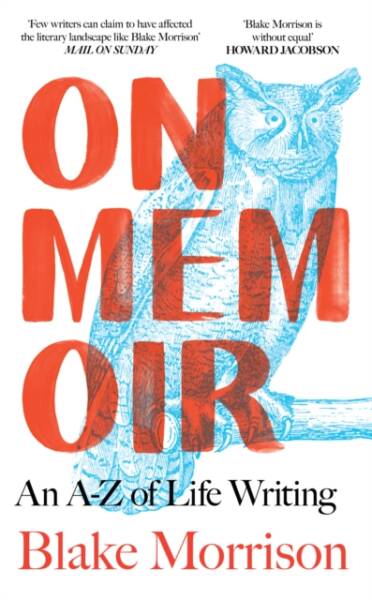
I am a bit sceptical of A-Zs of anything but this book was a delight to read – witty, informative and often very funny. It’s not just for those wanting to write a memoir but also for memoir readers, with a wide range of memoirs in different styles and tackling different subjects mentioned. The author is a skilled memoirist and covers subjects from Autofiction to Memory to Zzz. As you’re working your way through the alphabet, you might find yourself adding your own entries.
–Giselle
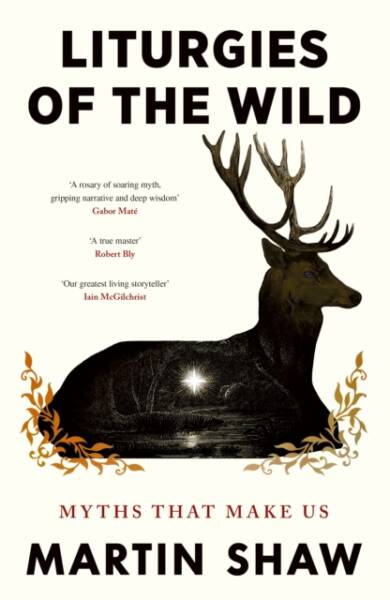
Mythographer, storyteller, Eastern Orthodox Christian thinker (and former Pagan reading group pick for his previous book Smokehole) Martin Shaw is deeply concerned that we live in a myth-impoverished age. He argues that we have made an error in discarding completely the slow wisdom of generations-old tales for a total reliance on quick and easy modern convenience and rationality, using stories themselves to show us the error of our ways and persuade us to re-wild ourselves. As a fan of his occasional podcast, I was happy to find he writes just as well as he speaks, and I found it beautiful, convincing and moving work.
–Carl
You may notice a theme in what I’ve been reading recently! And if you have a look at our events, you might be able to figure out why. Having studied Homer at school and university, I’ve read and worked with multiple translations. When Emily Wilson became the first woman (in 2017!) to translate the work into English, she made quite a splash. This is also rumoured to be the translation Christopher Nolan worked from for his upcoming blockbuster adaptation. There’s death, sex and gods a-plenty in this epic. A brilliant, accessible, modern translation. If you don’t know where to start with Homer, I would recommend you start with Emily Wilson!
–Sarah
Alice Oswald is one of my favourite poets, but I was still a little skeptical when picking up this. A reimagining of The Iliad that the author herself describes as a “reckless dismissal of seven-eighths of the poem”? But Memorial is a stark, affecting ode to the dead. You do not need to have read Homer to be moved by the enargeia- the bright, unbearable reality- of war and grief held in this work.
–Sarah
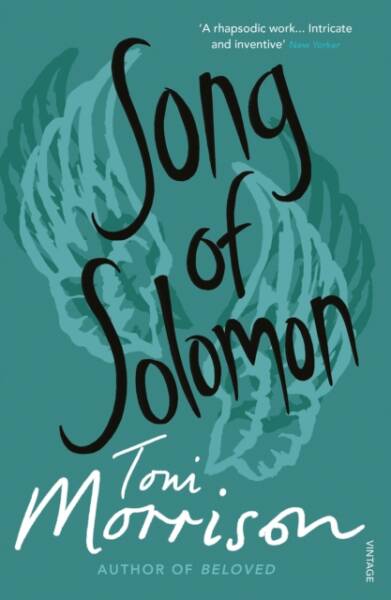
Toni Morrison makes me feel like I’ve never read good writing before. We discussed Beloved in our book group last month and I was once again astounded by her craft and genius. I find new things to admire with every read. But I wanted to recommend a different Morrison, which I read for the first time this month- Song of Solomon– a loose reimagining of The Odyssey but also so much more! Southern gothic and African mythology is woven in with the Homeric to explore the messiness of family and the horror of racism.
–Sarah
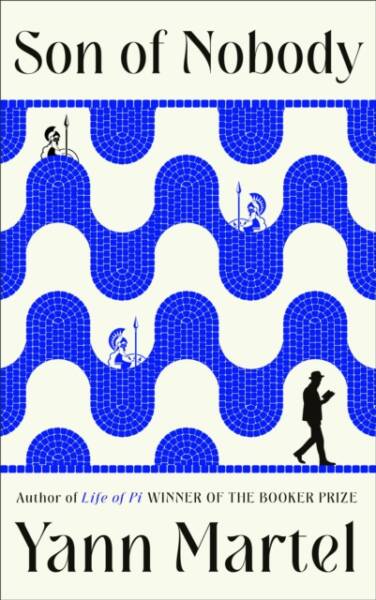
A lost epic of the Trojan war, which places the working-class everyman at the centre, rather than kings and nobles, is discovered by an academic on a fellowship in Oxford. Two narratives play out as we read the epic as it is reconstructed from fragments found at an archeological dig, and the footnotes tell of the academic’s personal life as it transforms and collapses while he works. For fans of Jonathan Strange & Mr Norrell.
–Sarah

Event Changes in Early July

click here to sign up for our newsletter  …  or click here to go to our full events list

A quick update on events next week,

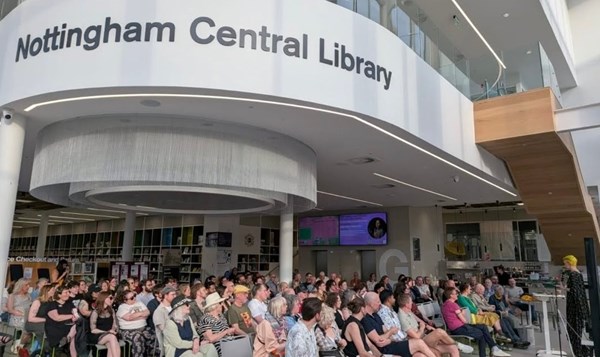
We’ve had an overwhelming response to our event with Candice Carty-Williams in conversation with Cara Thompson on Wednesday 8th July. We’ve had to move it to Nottingham Central Library (rooms 6 and 7). It has now sold out again, but if you were able to grab a ticket for this one, please note the new location.

If you weren’t able to get in on that one, or if you fancy an extra bookish event next week, we’ve had a very short notice drop-in to our events series with Hannah Levene coming to the shop on Thursday 9th July to talk about her new novel on Queer suburbia A Pizza Hut, a Pizza Hut, Kentucky Fried Chicken, and a Pizza Hut. Hannah will be in conversation with Catrin Morgan. This one was originally going to be held at Beam, but has been moved over to our shop, hence the late notice. It’s sure to be a fun one, so hopefully we’ll see a bunch out you for it.

We should also mention, for the non-fiction reading nature lovers, Jack Perk’s talk on UK Rivers is going ahead as planned on Tuesday, and there are still tickets left. It is nice sometimes when things go according to plan.

See you then!
The Five Leaves Team  

P.S. As ever, you can find the most up-to-date list of events on our website.

Newsletter: 23 June 2026

click here to sign up for our newsletter  …  or click here to go to our full events list

Writing this in one of the coolest places in Nottingham…

…though sadly we just mean we have good air-con… However we already have a shelf for diaries started in our stock cupboard – we can’t bear to bring them out yet – and we are event planning for the autumn, so summer is a fleeting moment for booksellers! We were glad to take part in the Lowdham Book Festival book fair on Saturday, a bittersweet day as this was the last Lowdham Book Festival and The Bookcase of Lowdham is closing on 5th September. We saw so many old friends from around the village and beyond.

                                             The headline act at Five Leaves is our new book, a photographic book on the Windrush generation Caribbean gardeners who built their own version of the Caribbean on the Hungerhill allotments in St Anns. The book comprises photos and interviews with some of the men, with some text in Jamaican patois. Today one of our regular customers – an ecologist – said he was the great-grandson of one of the gardeners! He too has his hands in the soil. The photos by Colin Haynes are stunning. The official launch will be at Nottingham Central Library on 25 July, but copies are avaiable in store and online now.
Sticking to photography, we have the three part Nottingham 1976 pamphlets by John Dean. Did you see the exhibition at the Bonington Gallery? No ISBNs or bar codes for these pamphlets, so they are not on our website. £16.00 the set. Also not on our website for the same reason, The 1926 General Strike in Nottingham Reconsidered (£10.00, published by the Notts and Derbyshire Labour History Society). Good to see these local publications.

Best wishes,
The Five Leaves Team  

Upcoming Book Groups

Fiction Book Group
Thursday, 25 June 7PM: Beloved by Toni Morrison

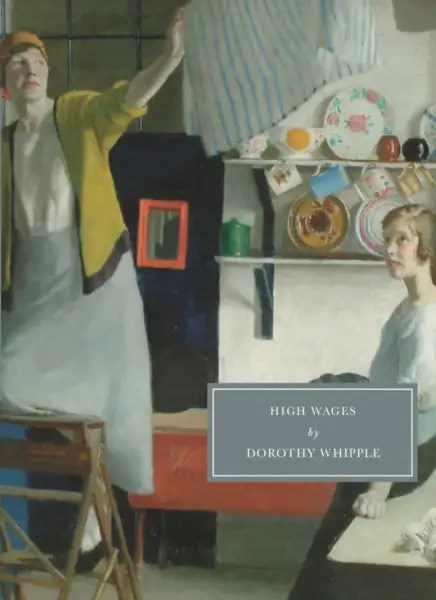
Tuesday, 28th July 7PM: High Wages by Dorothy Whipple

Monday, 24 August 7PM: Invisible Cities by Italo Calvino

Wednesday, 30th September 7PM: Martyr! by Kaveh Akbar

Non-Fiction Book Group 
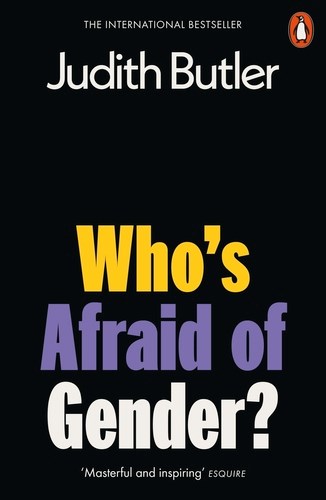
Wednesday, 12 August 7PM: Who’s Afraid of Gender by Judith Butler

Thursday, 12 November 7PM: The Origins of Totalitarianism by Hannah Arendt

Irish Book Group 
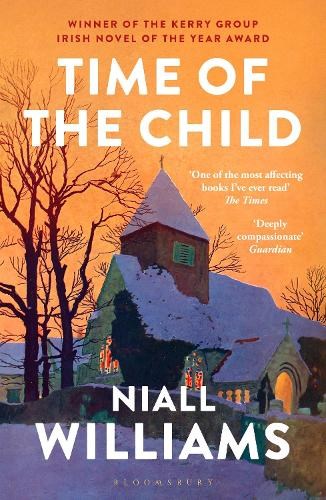
Monday, 29 June 7PM: The Time of the Child by Niall Williams 

Monday, 27 July 7PM: The Spinning Heart by Dónal Ryan

Witchcraft & Paganism Book Club 
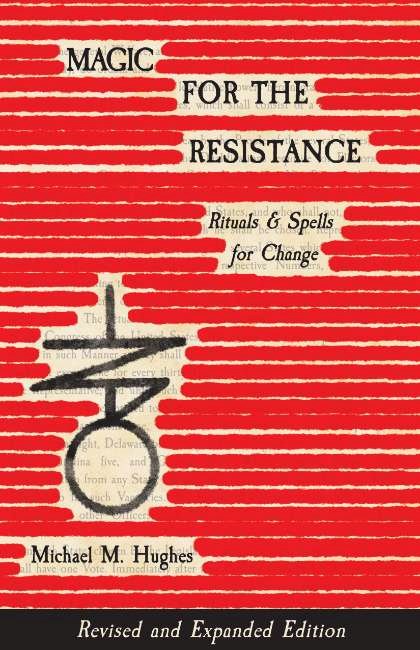
Wednesday, 22 July 7PM: Magic for the Resistance by Michael M. Hughes

Wednesday, 23 Sept 7PM: The Magic of the Orphic Hymns by Tamra Lucid and Ronnie Pontiac

Newsletter: 26 May 2026

click here to sign up for our newsletter
…or click here to for our full events list

Hello Friends,

Lots going on at the shop and elsewhere, including Nottingham Poetry Festival and the very last Lowdham Book Festival 13-26 June, which includes an event for Five Leaves poets on 20 June at 2-3pm. Check out their full programme here.

                                             We have a new Five Leaves’ publication: Rory Waterman’s Devils in the Details which is a journey through Lincolnshire’s landscape in search of the origins and legacies of folk tales. It’s a follow-up of sorts to (though not a second volume of) our 2025 book Lincolnshire Folk Tales Reimagined.

Last week we had a belated launch for our Queer Nottingham by CJ deBarra, at the Central Library. This second volume covers 1991-2020. Around 120 people came, which is not bad for a hot Friday night in a Bank Holiday Weekend. The event ended with at least some people dancing, which is a first for us at a book launch.

We are sorry to hear of the deaths of two of our customers, Jacek Laskowski and Peter Messent. Jacek was in the Stanza poetry group and many people will remember him as the local Arts Council Literature Officer. Peter was at the School of American Studies at the University of Nottingham for many, many years.

Best wishes,
The Five Leaves Team  

Upcoming Book Groups

Fiction Book Group
Thursday, 28 May 7PM: Carol (The Price of Salt) by Patricia Highsmith

Thursday, 25 June 7PM: Beloved by Toni Morrison

Sunday, 26 July 7PM: High Wages by Dorothy Whipple

Non-Fiction Book Group 

Wednesday, 12 August 7PM: Who’s Afraid of Gender by Judith Butler

Thursday, 12 November 7PM: The Origins of Totalitarianism by Hannah Arendt

Irish Book Group 

Monday, 29 June 7PM: The Time of the Child by Niall Williams 

Monday, 27 July 7PM: The Spinning Heart by Dónal Ryan

Witchcraft & Paganism Book Club 

Wednesday, 22July 7PM: Magic for the Resistance by Michael M. Hughes

Wednesday, 23 Sept 7PM: The Magic of the Orphic Hymns by Tamra Lucid and Ronnie Pontiac


Newsletter: 19 March 2026

click here to sign up for our newsletter

Happy Spring,

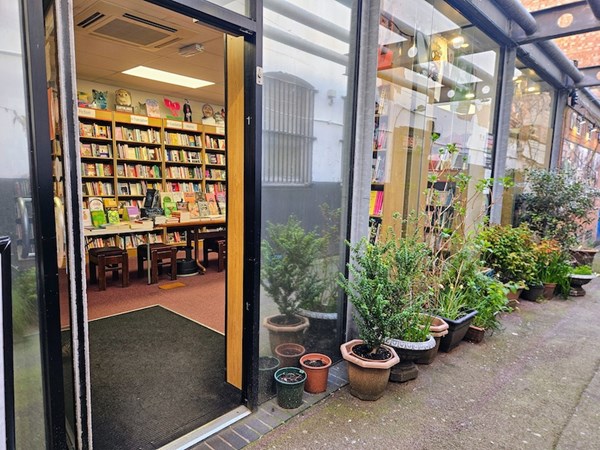
This week gave us the first day this year where we were able to have the shop door open, and our alleyway garden is coming back to life, just in time for vernal equinox this Friday. With the days getting longer, we hope we can tempt you inside for some bookish evenings, with one event still to go in March, and six in our diary for April, alongside our book groups. Our card is filling up for May and June as well, so head over to our events page to book your place.

Best wishes,
The Five Leaves Team  

Upcoming Book Groups

Fiction Book Group
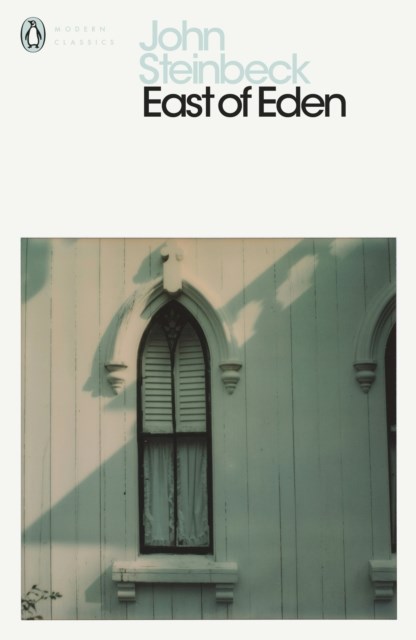
Thursday, 26th March 7PM: East of Eden by John Steinbeck 

Wednesday, 29th April 7PM: The Word for World is Forest by Ursula K. Le Guin

Thursday, 28th May 8PM: Carol (The Price of Salt) by Patricia Highsmith

Thursday, 25th June 7PM: Beloved by Toni Morrison

Non-Fiction Book Group 
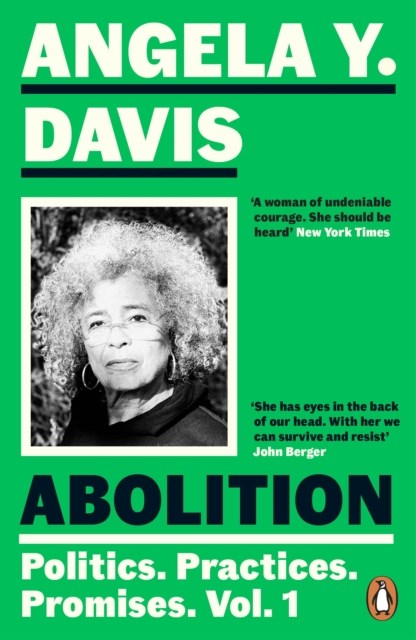
Tuesday, 12th May 7PM: Abolition: Vol. 1 by Angela Y. Davis 

Wednesday, 12th August 7PM: Who’s Afraid of Gender by Judith Butler

Thursday, 12th November 7PM: The Origins of Totalitarianism by Hannah Arendt

Irish Book Group 
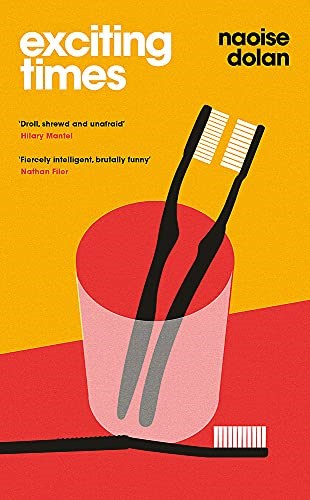
Monday, 23th March 7PM: Exciting Times by Naoise Dolan

Tuesday, 28th April 7PM: Reading Turgenev by William Trevor

Monday,18 May 7PM: The Boy From the Sea by Garrett Carr

Monday, 29th June 7PM: The Time of the Child by Niall Williams 

Witchcraft & Paganism Book Club 
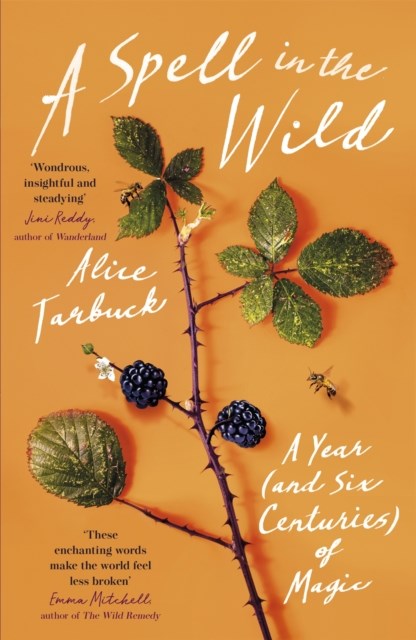
Tuesday, 19th May 7PM: A Spell in the Wild by Alice Tarbuck 

Wednesday, 22th July 7PM: Magic for the Resistance by Michael M. Hughes

Newsletter: 24 February 2026

Juggling dates, waiting for replies… 

…but we’ve now got most of our spring events programme lined up. It’s not *all* done yet… so keep close!

But I’m going to start by mentioning a book that is one of those annoying books that you pick up, and realise that you want to read it more than the book you are currently reading and the book due after that. It’s The Penguin Book of Polish Short Stories. 564 pages, so I might be gone for some time. Predictably the book is edited by Antonia Lloyd-Jones, who has translated many of the Polish books that have passed through the shop. There’s an introduction by Olga Tokarczuk, winner of the Nobel Prize for Literature, who also contributes. Lloyd-Jones has themed the stories – animals, children, surrealists, misfits (surprisingly only three entries!) and so on rather than by chronology from the earliest stories from 1918 to the most recent. Excuse the cliché, but I can’t wait. The hardback is out of print so you could order the paperback in advance here…. or use your library.

Head over to the events tab to choose from the seven events we have on in March, or scroll down to see what our book clubs are reading. We have a full programme in the works for April and May, with tickets for confirmed events already available on our website.

– Ross

Five Leaves Publishing 

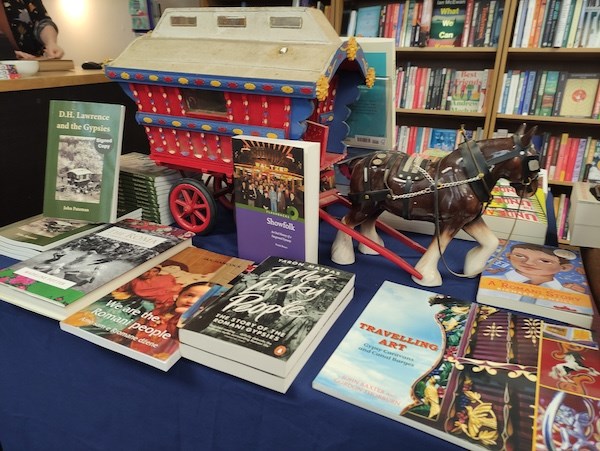
This week we’re celebrating the publication of D.H. Lawrence and the Gypsies by the Romani writer John Pateman, accompanied on our table by the a tiny vardo (horse-drawn trailer). If you squint you can even spot the book off to the left…

Upcoming Book Groups

Fiction Book Group
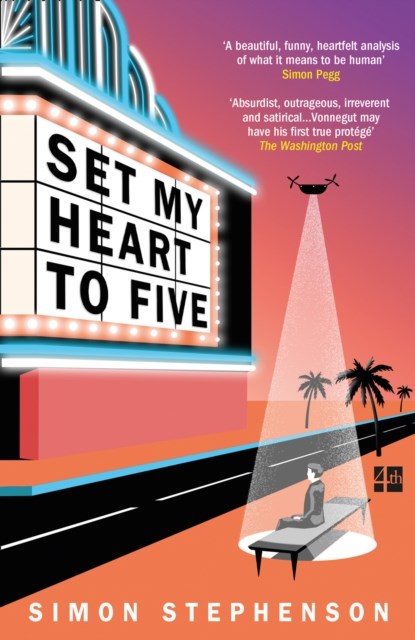
Thursday, 26th February 7PM: Set My Heart to Five by Simon Stephenson

Thursday, 26th March 7PM: East of Eden by John Steinbeck 

Wednesday, 29th April 7PM: The Word for World is Forest by Ursula K. Le Guin

Non-Fiction Book Group 
Tuesday, 12th May 7PM: Abolition: Vol. 1 by Angela Y. Davis 

Wednesday, 12th August 7PM: Who’s Afraid of Gender by Judith Butler

Thursday, 12th November 7PM: The Origins of Totalitarianism by Hannah Arendt

Irish Book Group 
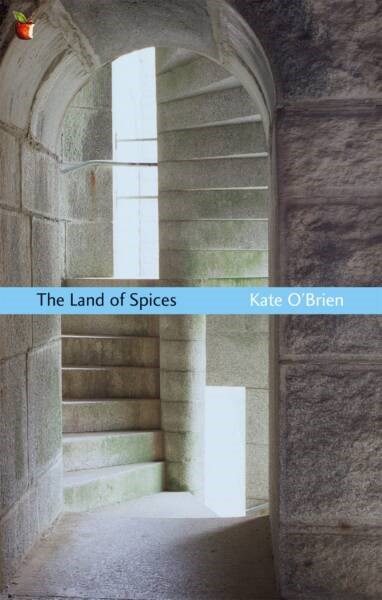
Tuesday, 24th February 7PM: The Land of Spices by Kate O’Brien

Monday, 23th March 7PM: Exciting Times by Naoise Dolan

Tuesday, 28th April 7PM: Reading Turgenev by William Trevor

Witchcraft & Paganism Book Club 
Tuesday, 17th March 7PM: Magic Maker by Pam Grossman 

Tuesday, 19th May 7PM: book choice TBA

Skail, poetry by Richie McCaffery (New Walk Editions, 2025)

Skail is an old Scots word meaning a scattering or dispersal. This information is provided in the back-cover blurb, where we also learn that “the poems in this pamphlet take place in the aftermath of a pandemic, and in the dissolution of a long-term relationship.”
The first two lines of the title poem – an especially strong piece – suggest the supernatural, perhaps hinting at threat:

The night before Halloween, he came to her in sleep, / called out her maiden name,
with a cancerous rasp.

But this ghost comes not so much in anger as exasperation: “He could wait no longer, it’d been 15 years already / of dilly-dally-hanging-onto-daddy’s dust.”

Her indecision is swiftly rectified. She involves “the great grandkids / he never even knew”; who use “little grain scoops” to scatter her father’s ashes in plant pots and they leave out a “tot of his favourite whisky … to slake his thirst.”  But “Little grain scoops” will not be enough. The third and final stanza returns us to the woman and then, as if mirroring the first stanza, to the intangible, the supernatural. Despite the apparent abandon of her
actions, we see how keenly she feels the loss:

But the bulk of his ash was left to her, and went
headfirst into the remains of the vegetable bed.
And though it was a wet night, the dust cloud of him
hovered under the streetlamp, as if getting its bearings.

Perhaps The Lucky Penny, one of the later poems in the pamphlet, is about the same extended family. It begins: “When you were wee, he brought back a lucky penny.” Once washed, however, it is revealed to be a Victorian gold coin. That the finder has not recognised its worth is ironic, given his repetition of the well-worn maxim: “Find a penny, pick it up, all the day you’ll have good luck.” This failure to recognise good fortune, is, we learn in the final stanza, characteristic:

Over the years you’ve watched your mother’s profile
change, caring for grandkids and holding the house
together as he aged too, cursing a life of misfortune.
He never knew he held gold in his hand. Still does.

The poems in this slim pamphlet avoid first-person narration, perhaps signifying a desire not to claim self-importance but to draw attention to the complexity of what it is to be human. It risks seeming disingenuous, however, especially in poems that seem to evoke the ending of the long-term relationship referred to in the blurb. In Scrap, for example, we read “Her last words to him were written, not spoken, / a paper cut severing them and their fourteen years.”  And in Cicatrix, “He never heard the wind changing. / Before he knew it, he was out of the frame.” The distance between speaker and poet seems small, only the pronoun holding them firmly apart. All the poems feel natural and honest, though, the speaker assuming the role of an unobtrusive observer who reports what he
sees with compassion and humour.

In Bolt, a man gets off a bus and is “dazzled by a camera flash.” He wrongly assumes a group of teenagers have taken his picture and is about to confront them when he is saved from humiliation: “the ordnance of thunder blew them all / out of their skin.” The poet trusts his reader to work out what has happened. The final lines of the poem roll together the teenagers, the man, the poet, and his readers:

That’s being human
one instant so full of self, the next
made to feel like no-one, nothing.

This acknowledgement of vulnerability is a thread that weaves through the poems which work well as individual pieces but resonate even more when read together.

Julie Gardner 

This review first appeared in Everybody’s Reviewing and is a Nottingham STANZA choice